Margaret Brooke crew praise new platform ahead of ice trials
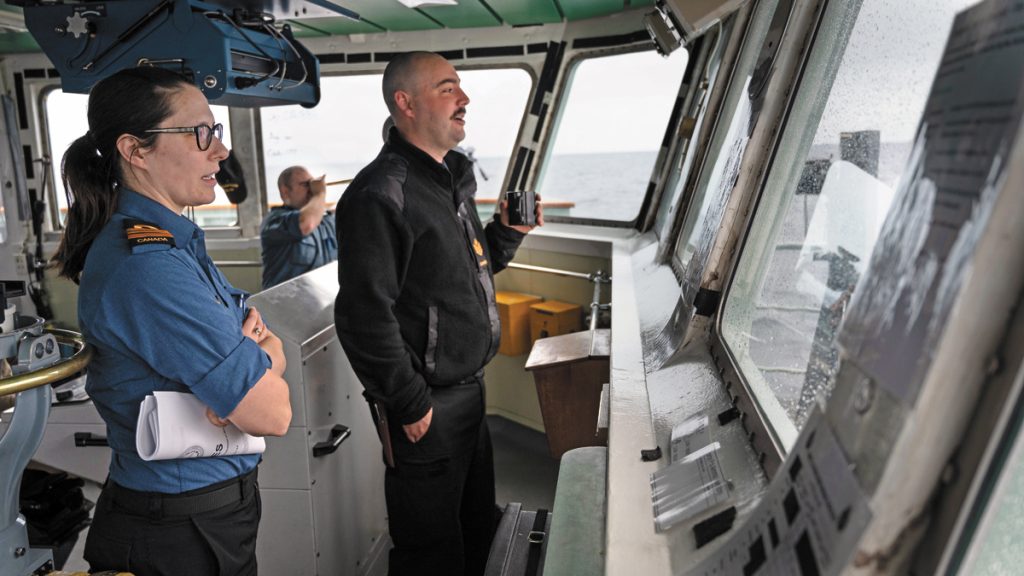
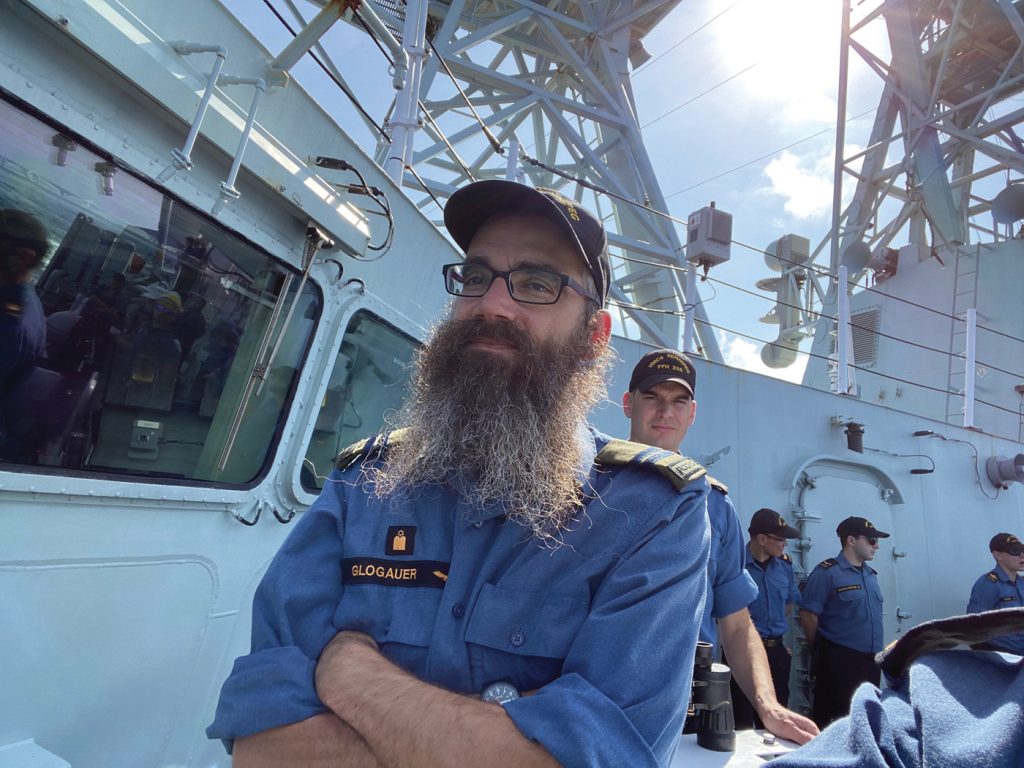
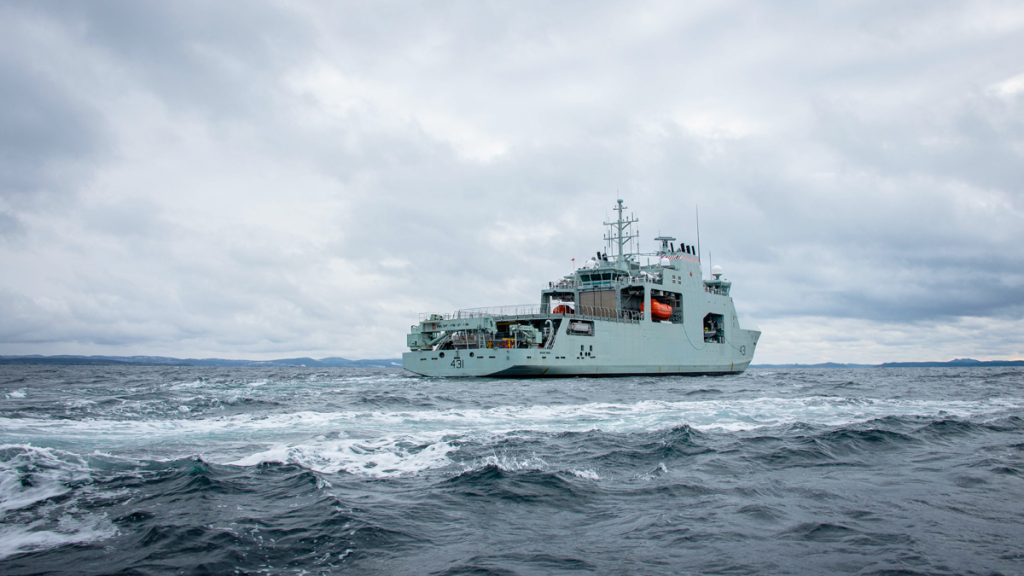
[caption id="attachment_29025" align="aligncenter" width="596"] HMCS Margaret Brooke facilitates a boat transfer in Conception Bay Harbour during their transit to the Arctic for ice trials on Feb. 20. Photo by S2 Taylor Congdon, Canadian Armed Forces Photo[/caption] Joanie Veitch Trident Newspaper — As the future HMCS Margaret Brooke, Canada’s second Arctic and Offshore Patrol Ship (AOPS), left Halifax on Feb. 17, the crew was full of anticipation. Not only were they heading off to do cold weather and ice trials, this marked the first time they would spend an extended period out at sea with their new ship. Bound first for Newfoundland before heading north to the Labrador Sea, Margaret Brooke will move through the Davis Strait into Baffin Bay, looking for temperatures of 30-below Celsius or colder and metre-thick ice to run through a series of trials mean to test the ship’s capabilities. It’s expected to be about a four-week trip, although flexibility with the schedule is key, says Lt(N) Graham Austin, Navigating Officer. “You can have a set schedule but because we need specific conditions we need to have maximum flexibility built in.” Like others in the Harry DeWolf-class of vessels, Margaret Brooke is a different ship from most in the Royal Canadian Navy, not only from an operational perspective, but also in terms of the quality of life for the crew, as their home-away-from-home for long periods of time. “I’ve sailed on frigates, MCDVs (Maritime Coastal Defence Vessels) and now on the AOPV (Arctic Offshore Patrol Vessels). I’ve had lots of at-sea time, just a little over 1,300 days, so I can speak to the creature comforts of the AOPV platform,” says PO1 Ron Kennedy, Naval Communicator. “The AOPV, the best way to explain it is that it’s like being on a cruise ship as compared to a frigate...