Firefighter’s effort results in better health protection
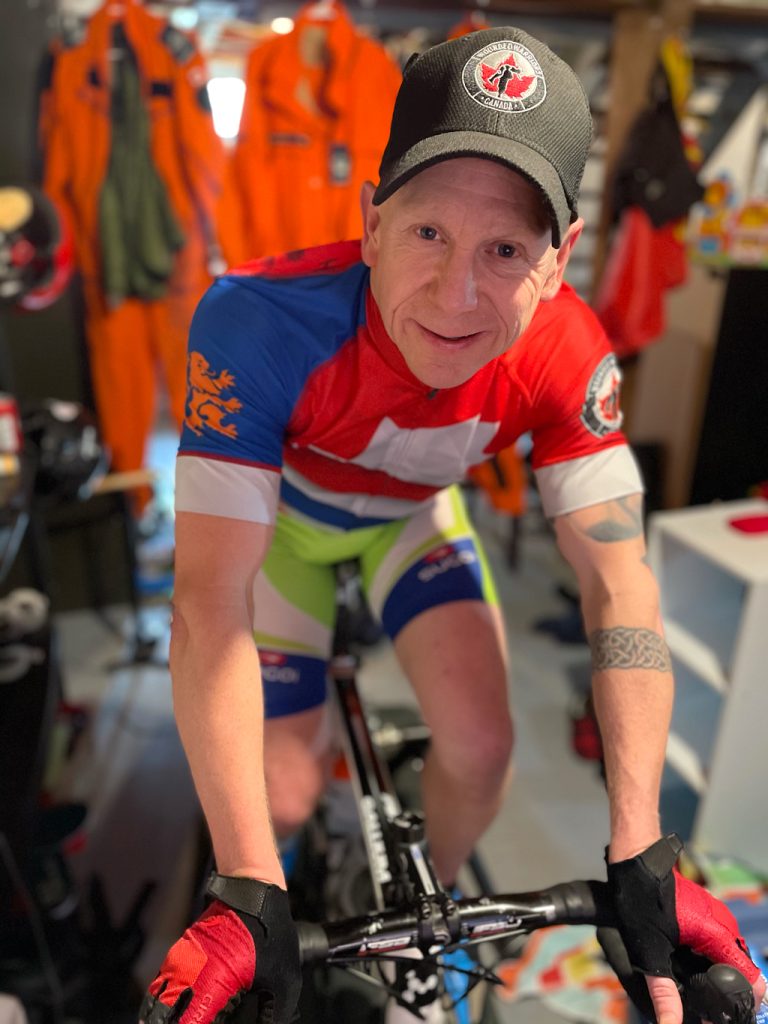
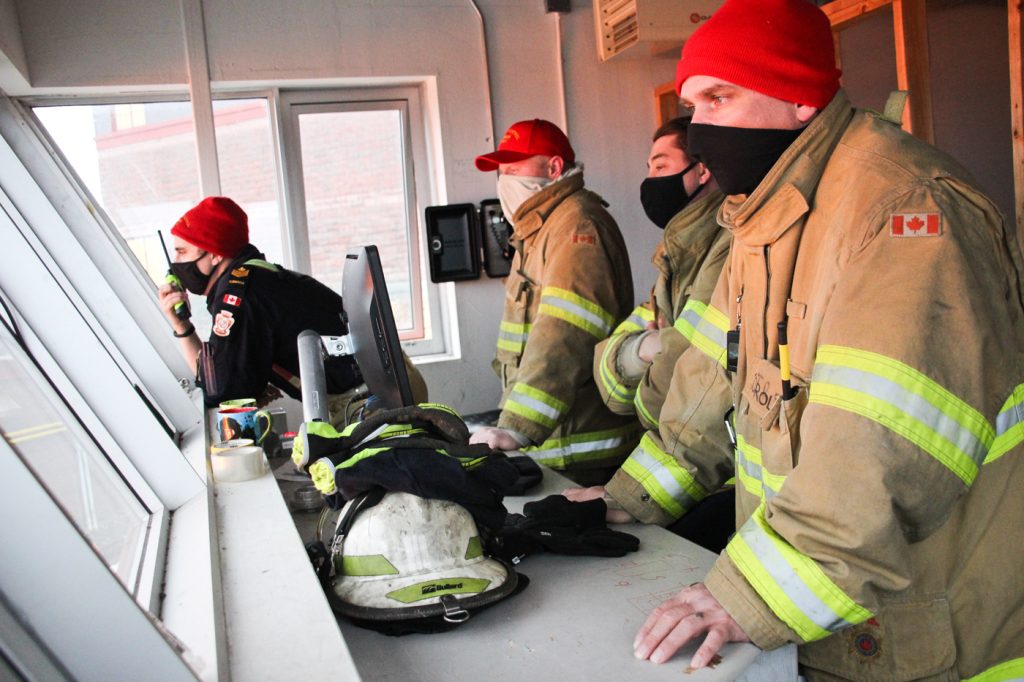
[caption id="attachment_25585" align="aligncenter" width="594"] Capt(N) Sam Sader, Base Commander, presents base firefighter Curt Morwick with a Bravo Zulu for his work to improve the occupational health and safety of his co-workers. Photo by: Sailor First Class (S1) Sisi Xu, MARPAC Imaging Services, Esquimalt[/caption]Peter MallettStaff Writer––Sometimes all it takes is a little ingenuity and a desire to effect positive change to make a workplace better. A year ago, firefighter Curt Morwick set about to improve the balaclava-style hood used by himself and other firefighters at CFB Esquimalt Fire and Rescue. His team used disposable, single-use hoods to protect them when fighting a fire, or just out on an emergency. It is fitted between the firefighter’s helmet, protective gear, and tucked into their clothing. Wearing it helps prevent harmful amounts of microscopic carcinogenic particles generated by burning materials from being absorbed by their skin. These particles can travel through traditional knitted hoods and accumulate on absorptive areas of the neck, jaw, and throat. He knew, through a 2002 study by the United States Firefighter Cancer Support Network, that firefighters have a 61 percent greater likelihood of dying from cancer than the regular population. For every five degree Fahrenheit increase in body temperature, the skin contamination rate increases by 400 percent.He and another firefighter bought and tested a Gray Particulate Blocking Hood from manufacturer Innotex. Their product offers two layers of protection, are thicker and larger than traditional hoods covering more of the firefighters face and upper body. It features an elastic sewn face opening that provides a better protective seal and has a longer drop to cover more of the chest, shoulder, and neck. The hoods are also machine-washable and can be reused up to 100 times. Morwick, also on the unit’s health and safety team, had them added to their standard kit of protective safety gear. “I am glad we now have more protection,” he says. “The members of our team all have families and children to go home to at...