Retired sailor thankful to be alive
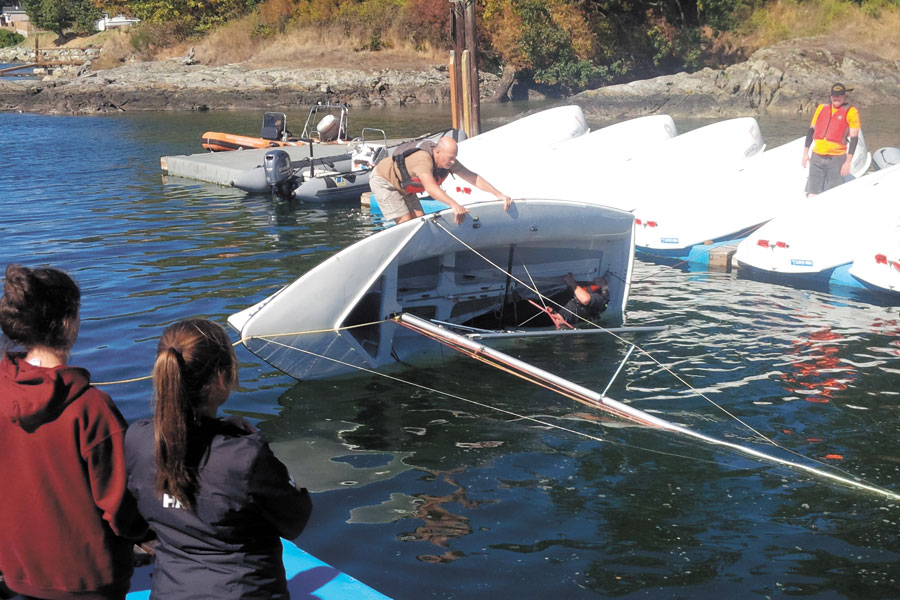
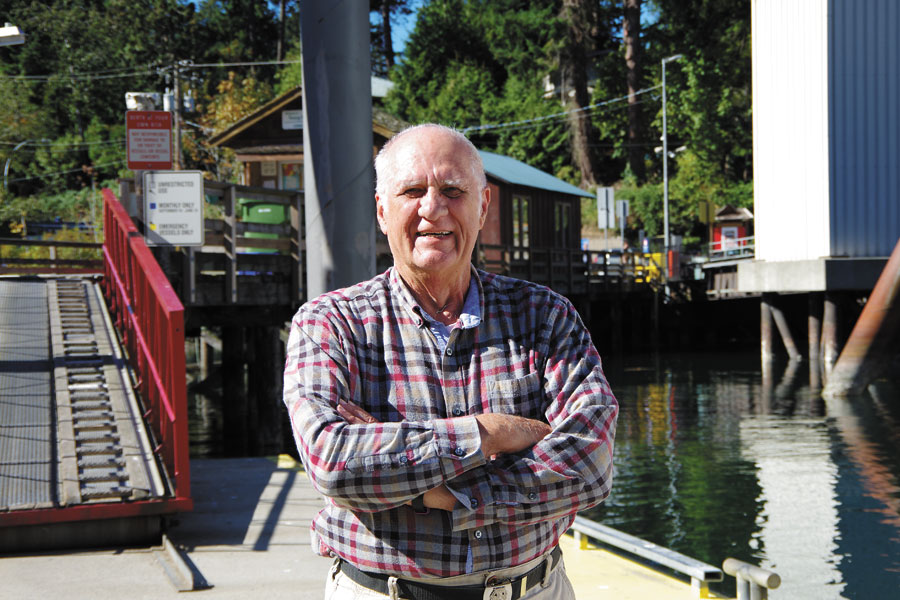
[caption id="attachment_14171" align="alignnone" width="425"] Lieutenant Commander (Ret’d) John Nosotti[/caption]Deborah Morrow, Contributor ~Last week, Lieutenant Commander (Ret’d) John Nosotti celebrates the two-year anniversary of the near-impossible odds of surviving a cardiac arrest while on a remote island.Two years ago, Nosotti and four friends were enjoying a sail on a HMCS Discovery C22 vessel from Stanley Park to Bowen Island. Upon arrival, Nosotti stepped onto the jetty and immediately collapsed in full cardio-respiratory arrest, which means no breathing, no heartbeat, and no signs of life.Responding to shouts for help, a sailor from a nearby yacht dove into the water, swam to the jetty, and began chest compressions. Another member of the C22 crew who had years of E.R. experience as a nurse also helped; a bystander said she was an oncologist, and another person who came to help also knew CPR.Nosotti’s skin colour was deeply blue which meant he needed oxygen. While one person did mouth-to-mouth resuscitation, the others took turns doing chest compressions.The Bowen water taxi operator called on his radio for a paramedic helicopter, but knew the advanced life support help was 45 minutes away. Nosotti’s rescuers had to keep going until help arrived, or else lose him.CPR is exhausting, so turns had to be taken to avoid fatigue from interfering with effective CPR. The four capable and trained first aiders spelled each other off.Mouth-to-mouth ventilation was effective but lacked the high percentage of oxygen the blood needed to fully saturate his body.So Nosotti was still cyanotic (blue) when the Bowen Island Volunteer Firefighters came to help. They did not have full respiratory equipment, but they did have an oxygen tank and mask. The person doing mouth-to-mouth used the mask to breathe in a high concentration of oxygen into her own lungs and then breathe what she could into Nosetti.Shortly...