Going the distance, what it takes
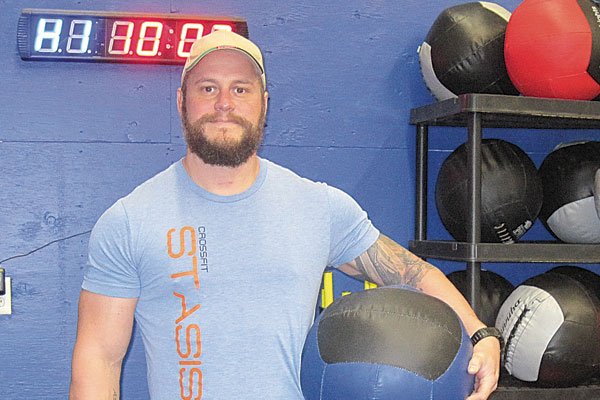
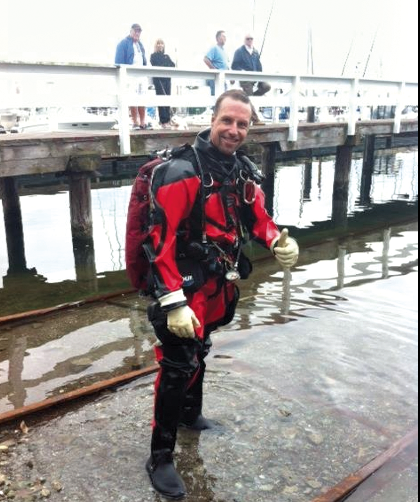
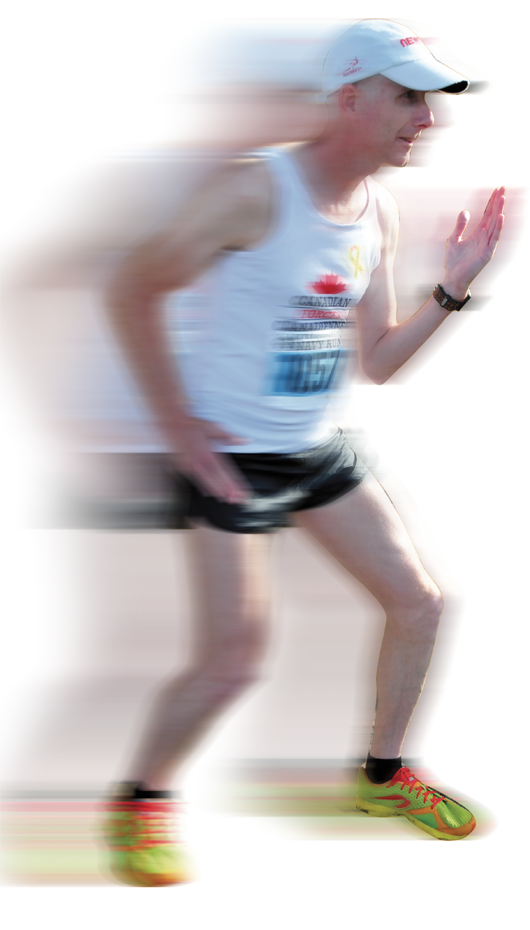
[caption id="attachment_10285" align="aligncenter" width="170"] MS Mark Ritchie[/caption]Master Seaman Mark Ritchie braces himself for the echoing boom of the Navy Run start signal.He holds his body taut, left foot pointed in front of him, knees slightly bent.Around him are hundreds of runners frozen in similar stances.He focuses on breathing.Running through his mind is the 10 kilometre course, every turn and hill well studied and memorized beforehand.During the past 30 years, the sailor has been a fixture at the start line of hundreds of races.In any given year he will run between five to 20 races.“I started off on the high school track team in Grade 11,” he said before the race.“But when school was over, there was no more track team, and I started racing on my own.”A few years later, in 1997, he joined the Army Reserve in Hamilton, ON, as a Diesel Mechanic.When he wasn’t working, he was running all over the Ontario landscape, training and competing.“There’s the attraction of being better every time you do another race, to see yourself improve,” he says.His main goal is always to run faster than his previous time.He says a big component of achieving that is his familiarity with his own running ability.“You have to run at a precise pace, and maintain that pace from start to finish so you don’t crash half way through,” he says.“And you have to be aware of your endurance level throughout.”After moving to Victoria in 1999, and joining the Regular Force Navy, he found the temperate climate allowed him year round racing.By 2012, he was running 10,000 metre races on the University of Victoria track with local elite runners.He also ran the entirety of the Galloping Goose Trail, a 56-kilometre, 4.5 hour run.He is familiar with the Navy Run, and the 10k route that winds through...