Sea Trainers – Ensuring Readiness at Sea
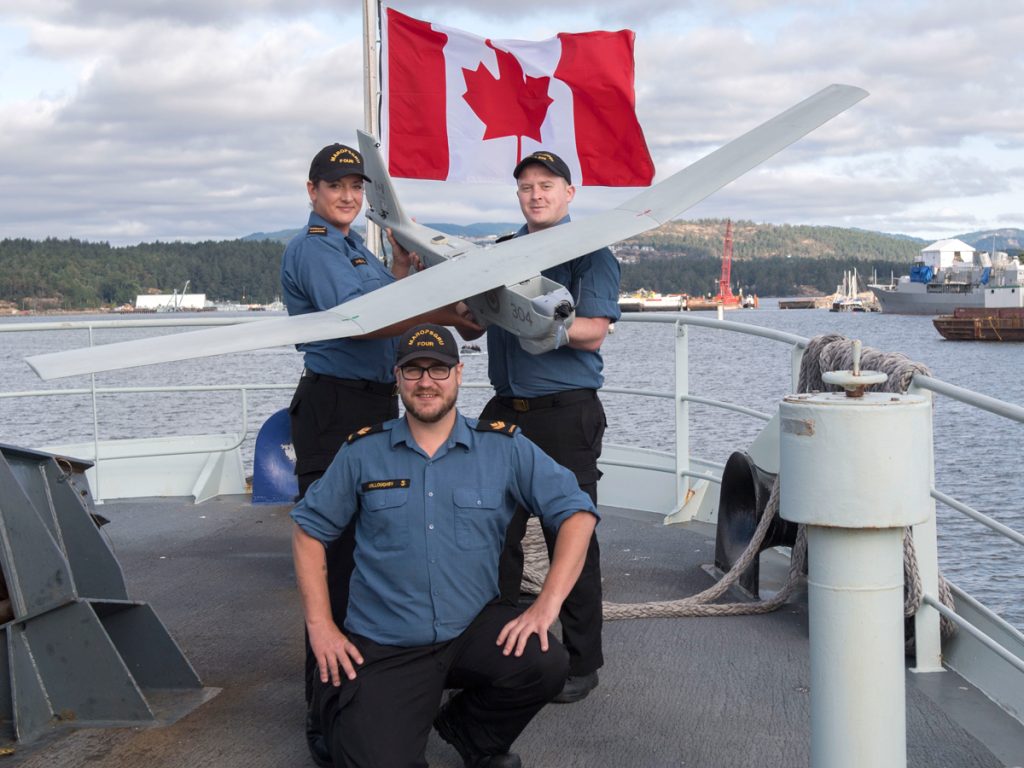
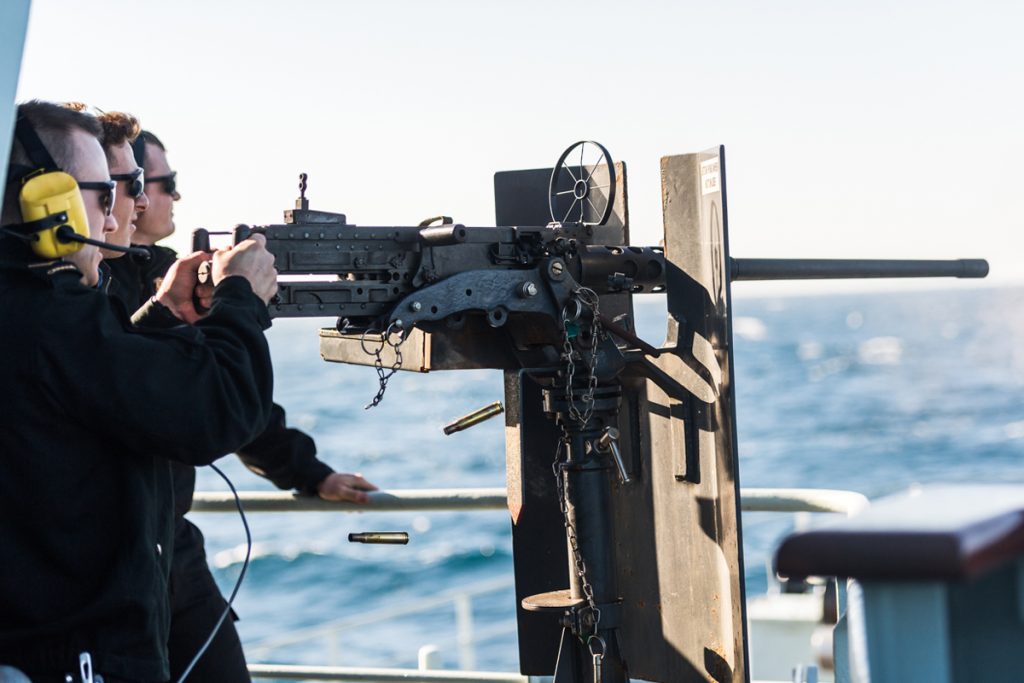
[caption id="attachment_19671" align="alignnone" width="590"] Photo by Op Caribbe Imagery Technician, HMCS Edmonton[/caption]Captain Jenn Jackson, Op Caribbe PAO ~The Red HatsThey are worn by Sea Readiness Trainers, and any sailor, or anyone who has been around sailors, has likely heard the significance of the red hat, and also expressed a hint of dread at their arrival. The presence of Sea Readiness Trainers in HMCS Edmonton and HMCS Nanaimo makes for a busy time on the ships, which are set to start Operation Caribbe when they get to their area of operation; Op Caribbe is a bi-annual illicit drug interdiction operation.The tempo of scheduled collective training is higher than normal and the frequency of unannounced team training and drills - such as damage control, casualty management, and force protection events - is even higher. So it means a lot of hard work, little sleep, and lots of learning in order to successfully achieve the objectives set by readiness training.Readiness training can take many different forms depending on the mission or task for which the ship is being trained, such as high-readiness level or mission-specific force employment deployments such as the current training in Nanaimo and Edmonton. Sea Trainers provide the program, based on the Readiness Policy, which focuses on collective training designed to render the ship’s company into a cohesive and effective crew.PreparationWhat many people may not realize is the planning process for readiness training begins well before Sea Trainers embark. Once it is determined a ship requires the training, Sea Trainers plan and prepare ashore for a specific training program; that planning continues while embarked for the program. Sea Training staff dedicate months of work to ensure a program effectively exposes the crew to scenarios they may encounter at sea.Input from the ship’s Commanding Officer aids in the planning and preparation process. “Often, the...